

Last updated: November 28, 2026
Chiropractor Google Ads are paid placements that can put a local clinic in front of people searching for chiropractic care nearby. A useful campaign connects those searches to a relevant page, a reachable front desk, and a way to tell whether inquiries become attended visits. At Anzolo Medical, our PPC for Chiropractors service is built around that connection.
What are chiropractor Google Ads, and how do they reach nearby patients?
Chiropractor Google Ads are paid search placements shown for selected queries from people looking for chiropractic care. A clinic can target searches in its service area, show its location and contact options, and direct searchers to a page about the care they sought. Paid ads are separate from organic results and unpaid map listings.
Where can chiropractic ads appear in local search?
Search ads can appear alongside results for a local query, while eligible ads may display location information or a call option. An ad does not replace the clinic’s business listing: someone who notices the ad may still check the map, hours, and reviews before making contact. Our guide to Google Ads for medical practices explains the broader inquiry path.
When is a search likely to lead to an appointment?
A search naming a chiropractor, a location, or available appointment hours usually gives the clinic more to act on than a general request for information. The ad still needs to match a service the clinic provides. For call-focused ads, showing a phone option when staff can answer gives the searcher a practical next step.
Which chiropractic searches should a clinic target or exclude?
Chiropractic Google Ads keywords should reflect care the clinic provides and searches that suggest someone wants an appointment. Start with nearby chiropractor queries, then consider relevant condition and availability searches. Exclude searches for self-care instructions, and keep accident-related queries separate when the clinic accepts those patients.

Which searches suggest someone is ready to book?
“Chiropractor near me” identifies the type of provider and a local preference. “Sciatica relief” may be relevant if the clinic has an appropriate page explaining its evaluation and care options; “chiropractor open Saturday” matters only if Saturday appointments are available. Review the actual search terms regularly, because a keyword can match searches with different intentions.
Which research and do-it-yourself searches should be excluded?
Searches for stretches, exercises, and home remedies often suggest that the person wants instructions rather than an appointment. Add irrelevant terms as exclusions after checking the search-term report. Avoid excluding a broad phrase without reviewing its variants: a search for a clinic that discusses exercises may still come from someone seeking care.
When do auto accident searches need a separate campaign?
If the clinic accepts auto accident or personal injury patients, those searches deserve their own ads and landing page. The page can explain the clinic’s intake process and how to ask about documentation or insurance questions. If the clinic does not accept these cases, exclude the terms rather than directing searchers to an unrelated page.
How should a chiropractor set up a local Google Ads campaign?
A local campaign should begin with the clinic’s actual service area and the searches that fit its care. Build related ad groups, set location targeting for nearby people, and connect each ad to a relevant page. Schedule call-focused ads around front-desk coverage, then check that location and call assets show accurate information.
How narrow should location targeting be?
For a U.S. clinic, start with the neighborhoods and ZIP codes patients actually come from, then refine the area using inquiry and booking records.
When should ads run, and what should happen when someone calls?
Match call-focused ad hours to times when the front desk can answer and offer an appointment. Staff should have a clear way to record the caller’s source, whether an appointment was booked, and whether the person attended. If online booking remains available outside staffed hours, make that path clear without implying that someone will answer the phone.
What should chiropractic ads and landing pages say?
Chiropractic ads should describe available care plainly and send each searcher to a page that answers the corresponding question. A condition-related page should explain what happens at an initial visit, what options the clinic discusses, and how to call or book. Avoid cure promises and keep patient information out of advertising tools.
What belongs on a condition-specific landing page?
A sciatica search should lead to a sciatica page, not a general homepage. Explain how the clinic evaluates a new patient, which care options it may discuss, practical appointment details, and the next step for booking. The MedlinePlus guide to chiropractic care for back pain says a first visit usually includes discussing health history and treatment goals and an examination; it also notes that some people feel achy or stiff for a few days after manipulation and that, very rarely, neck manipulation can damage blood vessels or cause a stroke. A landing page should describe the clinic’s own evaluation and relevant risks accurately rather than promise a particular treatment.
How can clinics avoid unsupported health claims in ads?
Write about assessment, services, and scheduling instead of guaranteeing that an adjustment will cure a condition. A Cochrane review of spinal manipulative therapy for chronic low back pain evaluated 76 randomized trials involving 11,866 participants; at one month, it found low-certainty evidence of little to no difference in pain and a small improvement in function compared with other conservative treatments. The review excluded trials studying sciatica alone, and its findings do not justify promising a cure or relief for every patient.
Check ad copy against applicable Google policies and state licensing rules. MedlinePlus guidance on the chiropractic profession notes that licensure and scope of practice differ by state. Our guide to Google’s healthcare ad policies offers a further review point. Do not pass identifiable patient details, including information entered into appointment forms, to advertising platforms.
How do reviews and business listings affect responses to chiropractic ads?
Reviews and business listings can influence whether a prospective patient contacts a clinic after seeing an ad. People may check the listed address, hours, and recent feedback before calling. Check that the listing’s address, hours, and phone number are correct.
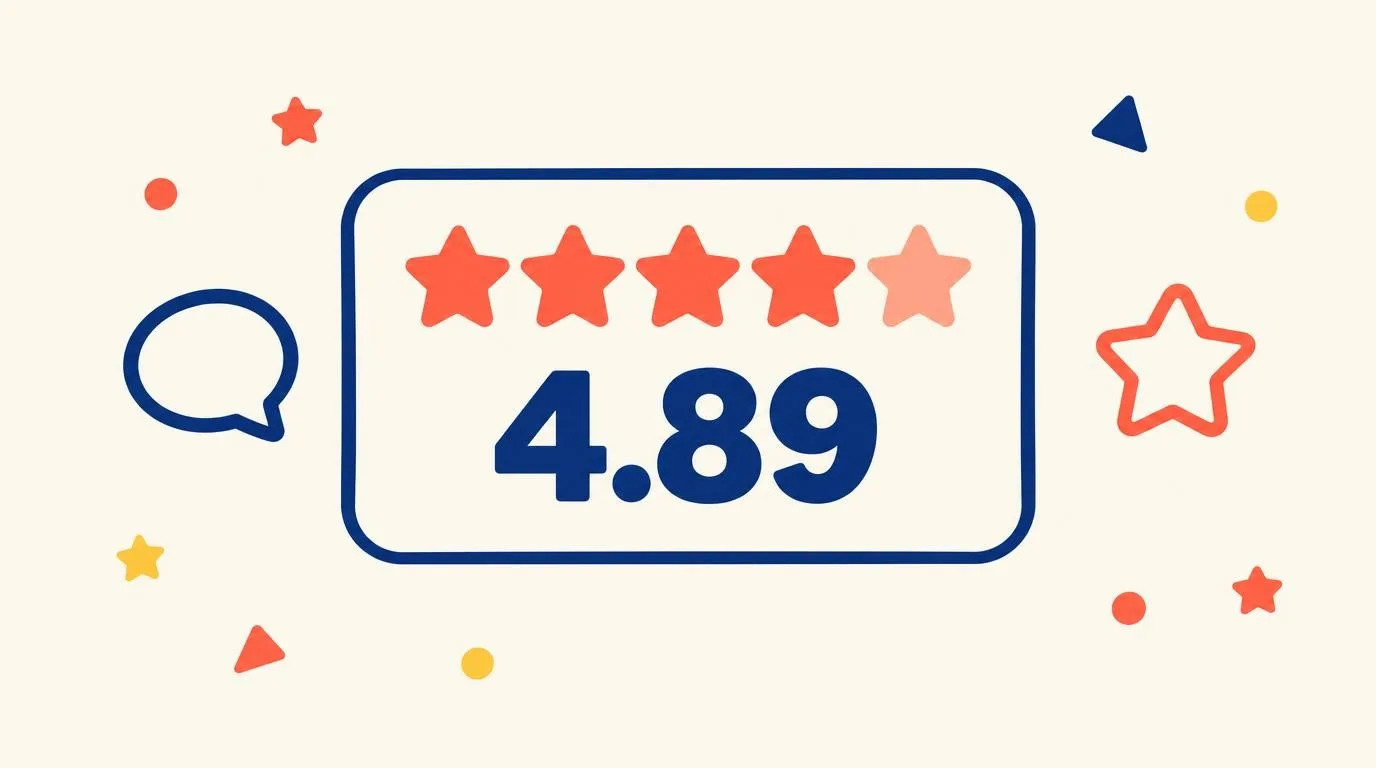
Our study of 81,512 U.S. clinics found the following review profile for chiropractic practices. These nationwide figures are not a threshold for any one local market.
| Source | Measure | Finding |
|---|---|---|
| Anzolo Medical’s clinic study | Typical chiropractic practice | 134 Google reviews |
| Anzolo Medical’s clinic study | Practices with fewer than 50 reviews | 25% |
| Anzolo Medical’s clinic study | Average rating | 4.89 |
If reviews appear to be costing the clinic calls, address concerns in the patient experience separately; buying ads will not improve the reviews themselves.
How can a clinic tell whether ads bring patients who return?
A clinic can evaluate chiropractor Google Ads by connecting each inquiry to a booked appointment, an attended initial visit, and later visits when appropriate data is available. Calls and forms show interest, but neither proves that a patient received care. Reporting should distinguish those stages while protecting patient information shared between systems.
Which steps connect an ad click to a booked visit?
- Record which ad or campaign produced a call or form without sending sensitive health details to the advertising platform.
- Have the front desk mark whether the inquiry resulted in an appointment.
- Compare bookings with attended initial visits in the clinic’s scheduling records.
- Review the campaign and search terms associated with attended visits, not just inquiry totals.
For chiropractor call tracking, a missed call is not the same as a conversation, and a booked appointment is not the same as an attended visit. Consistent front-desk recording makes those distinctions useful.
How can follow-up visits improve campaign decisions?
If the clinic can share appropriate practice-software data, compare the searches behind attended initial visits, subsequent visits, and completed care plans when those outcomes are recorded. That helps distinguish a campaign generating many inquiries from one connecting the clinic with people who continue care. Limit access to the information needed for reporting, and use a privacy-conscious process when connecting records; our healthcare advertising privacy guide discusses the considerations in more depth.
Should chiropractors use Google Ads or Facebook Ads?
Google Ads are usually the more direct test when a clinic wants to reach nearby people already searching for chiropractic care. Facebook ads can introduce a clinic to local people who have not searched, but their response reflects a different level of intent. Both channels need accurate offers, suitable landing pages, and careful handling of health-related information.
A clinic may test an appropriate new-patient offer against a plain description of its services, then compare attended and follow-up visits rather than judging the offer by inquiries alone. Remarketing should be used only where permitted and configured to avoid disclosing sensitive information. Meta restricts ad copy that asserts or implies the viewer has a medical condition, so describe the clinic’s services without telling the viewer what condition they have.
Do chiropractors still need SEO if they run Google Ads?
Yes. Google Ads can provide visibility for selected searches while local SEO develops the clinic’s unpaid map and organic presence. Accurate listing details, useful service pages, and a trustworthy review profile also help people who check the clinic after seeing an ad. The channels work together but should be measured separately.
Someone may notice an ad, look up the clinic name, read reviews, and return through an unpaid result before calling. Keeping hours and contact details consistent makes that journey easier to follow. For a fuller discussion of map and organic visibility, see our local SEO for chiropractors guide.
Frequently Asked Questions
Can a small budget be enough for chiropractor Google Ads?
A small budget may be enough to test a tightly targeted local campaign, but it cannot guarantee appointments. Set a daily or monthly spending cap based on your service area and how many new patients you can see. Judge the test by booked appointments and attended visits, not clicks alone.
Does Google have commercials?
Yes. Google Ads can include video ads, such as those shown on YouTube. Our chiropractic campaigns focus on search and local placements that reach people already looking for care nearby.
What is a red flag in chiropractic?
A red flag is a finding that may make spinal manipulation inappropriate or call for further clinical assessment. MedlinePlus lists fractures, bone tumors, bone or joint infections, severe arthritis, severe osteoporosis, severely pinched nerves with numbness, tingling, or weakness in the arms or legs, and acute neck pain with symptoms of a pinched nerve as reasons to avoid treatment in the affected area. New or worsening arm or leg weakness warrants prompt medical assessment. Chiropractic ads and landing pages should not imply that manipulation is suitable for everyone.
What is the tool that chiropractors use?
There is no single tool every chiropractor uses. Spinal manipulation is often performed by hand, while some practitioners use adjusting instruments. For example, the FDA describes the Activator V as a hand-held electromechanical chiropractic adjusting instrument. Advertise a specific technique or device only if your clinic actually offers it.
Can Anzolo Medical guarantee new patients from Google Ads?
No, we cannot guarantee a number of new patients from Google Ads. Whether someone books depends partly on the clinic’s location, reviews, appointment availability, and how calls are answered. At Anzolo Medical, we track calls, adjust campaigns based on what books, and report results so clinics can assess actual patient visits.
What will a chiropractor see in a monthly PPC report?
At Anzolo Medical, our monthly chiropractic PPC reports show ad spend, calls, forms, conversion rate, and new-patient leads. If a clinic shares appropriate visit data from its practice software, we can also compare inquiries with patients who returned. That distinction helps clinics assess more than click or call volume.
Does Anzolo Medical run Bing Ads for chiropractors?
Yes, we can run Bing Ads alongside local Google search campaigns for chiropractors. The channels can reach different searchers, including older patients on Bing. We still match ads to services the clinic provides and assess whether inquiries become visits, rather than assuming traffic from another search engine will produce appointments.
What happens to our chiropractic Google Ads campaigns if we stop working with Anzolo Medical?
You keep the work we built, including the campaigns, ads, call tracking, and landing pages. At Anzolo Medical, you can cancel with 30 days notice. This lets the clinic or its next marketing partner continue from the existing work rather than starting over. Confirm account access and handoff details before transitioning.
How long should a chiropractic landing page say the first visit takes?
State the clinic’s actual appointment length rather than promising a standard duration. MedlinePlus says a first chiropractic visit most often lasts 30 to 60 minutes and includes questions about health history and treatment goals. A landing page should explain the clinic’s own evaluation and booking process accurately.
How can a chiropractic clinic start with a practical Google Ads plan?
A practical chiropractor Google Ads plan starts with a defined service area, reliable phone coverage, relevant care searches, and landing pages that match those searches. Establish how staff will record bookings and attended visits before judging results. Anzolo Medical can review the clinic’s search presence and help connect campaign decisions to patient follow-through.
- Confirm where patients can reasonably travel from and when staff can answer calls.
- Choose searches that match services the clinic provides, and exclude irrelevant research queries.
- Prepare landing pages with accurate care descriptions and clear booking options.
- Record inquiries, bookings, attended initial visits, and subsequent visits where appropriate.
To discuss a local campaign, contact Anzolo Medical for a consultation. Our optional free Site Healer report takes about 15 minutes and shows where a clinic and its five nearest competitors appear on Google Maps, Google search, ChatGPT, Gemini, and Perplexity. The review can provide a starting point for planning; it does not promise patient volume.
This information is general and is not medical advice. Talk to a licensed clinician about your own situation before making a treatment decision.

